

Jaw Pain
CONDITION
What Is Jaw Pain?
Jaw pain, frequently associated with temporomandibular joint (TMJ) disorders, can stem from various causes, including teeth grinding, jaw misalignments, or past injuries. This condition often leads to discomfort, stiffness, and clicking or popping sounds in the jaw, making essential functions like chewing, speaking, and even yawning painful or difficult. Left untreated, TMJ disorders can also contribute to headaches, neck pain, and muscle tension in the face, further impacting daily comfort and quality of life.

CONDITION
Common Causes of Jaw Pain
Jaw pain can arise from several common causes, each impacting the temporomandibular joint and surrounding muscles differently.
- Teeth grinding or clenching (bruxism) is a frequent cause, as the constant pressure can strain the jaw muscles and lead to soreness, inflammation, and even damage to the joint.
- Misalignment of the jaw or teeth can contribute to jaw pain, as an uneven bite places additional stress on the joint, leading to discomfort and difficulty with basic movements like chewing.
- Injury to the jaw or face—whether from accidents, falls, or direct impact—can damage the joint, ligaments, or muscles, resulting in persistent pain, stiffness, and limited mobility in the jaw.
Understanding these causes is essential to finding effective treatments for long-term relief.
How Does Jaw Pain Impact Daily Life?
Jaw pain can make everyday activities like eating, talking, and yawning uncomfortable and sometimes even painful. This discomfort often extends beyond the jaw, potentially causing headaches, ear pain, and tension in the surrounding facial muscles. In severe cases, jaw pain can interfere with basic functions, limiting your ability to chew effectively or speak clearly. Left untreated, these issues may worsen over time, impacting the overall quality of life and making it essential to address the underlying causes for lasting relief.
CONDITION
3 Common Symptoms of Jaw Pain
- Pain or tenderness in the jaw: Discomfort or sensitivity in the jaw area, often worsening with movement or pressure.
- Clicking or popping sounds when opening the mouth: Audible noises in the jaw joint during mouth movements, indicating possible joint misalignment or dysfunction.
- Difficulty chewing or locking of the jaw: Trouble with smooth jaw movement, including stiffness or locking, making chewing and other functions challenging.
TREATMENT
How Does MN Sport and Spine Treat Jaw Pain?
TREATMENT
What to expect
At MN Spine and Sport, we are dedicated to providing lasting relief from jaw pain, guided by our core values of integrity, expertise, and compassionate care. Led by Dr. Scott Schreiber, a specialist in TMJ and TMD disorders, our team understands how deeply jaw pain can affect your life—not just physically but mentally and emotionally. Patients struggling with this condition often feel weighed down by the constant discomfort, tension, and stress it brings.
MN Spine and Sport’s approach is designed to be truly transformative. Drawing on extensive expertise, we customize a comprehensive treatment plan for each patient, utilizing manual therapy, advanced laser therapy, and acupuncture to reduce pain and restore function. The results speak for themselves: patients who commit to treatment at MN Spine and Sport report substantial reductions in symptoms, with many experiencing complete resolution of their jaw pain.

GET STARTED
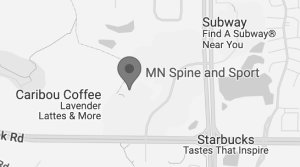
Jaw Pain Treatment in Woodbury, MN
Our commitment to addressing the root causes of jaw dysfunction sets us apart. Dr. Schreiber takes the time to understand each patient’s unique challenges, ensuring that treatment doesn’t just alleviate symptoms but resolves the underlying issues. At MN Spine and Sport, we’re more than a clinic—we’re your partner in recovery, dedicated to helping you reclaim comfort and control in your life. If you are living with Jaw pain and live in the greater Minneapolis area, including St. Paul, Oakdale, Cottage Grove, Maplewood, Inver Grove Heights, West St. Paul, Lake Elmo, or Stillwater, call us to schedule a jaw pain treatment consultation.
If you are a new patient, please fill out the New Patient Intake Form.