


Even “Minor” Accidents Can Cause Major Problems Later
One of the biggest misconceptions after a crash is: “It wasn’t that bad, so I’m probably fine.”
But car accidents are unique because the body often doesn’t react like it does with a normal sports injury. Many people feel okay immediately after the accident—and then symptoms show up days later:
- neck stiffness
- headaches
- mid-back pain
- low back pain
- shoulder pain
- dizziness or “brain fog”
- jaw tension
- numbness or tingling
That delay happens because your body goes into protection mode. Stress hormones, adrenaline, and muscle guarding can mask symptoms temporarily. Once the dust settles, inflammation and tissue irritation become more noticeable.
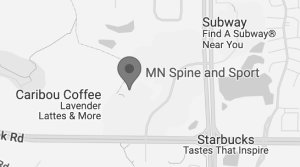
At MN Spine and Sport in Woodbury, MN, we specialize in treating auto accident injuries with a results-driven approach: accurate evaluation, conservative treatment, rehab-based recovery, and clear documentation.
The goal isn’t just short-term relief. The goal is to reduce the chances of lingering pain months later.
First Things First: What to Do Right After a Car Accident
This isn’t legal advice—just practical health and recovery guidance.
Step 1: Make sure you’re safe
Move to a safe location if possible. Call 911 if there are injuries or hazards.
Step 2: Get evaluated if you have any concerning symptoms
If you have severe pain, loss of consciousness, neurological symptoms, or other urgent issues, seek emergency care.
Step 3: Document what you can
Photos, the scene, and notes help establish what happened. (This often matters later.)
Step 4: Pay attention over the next 24–72 hours
Symptoms often develop after the fact. Even if you felt “fine,” monitor:
- headaches
- neck pain/stiffness
- upper back tightness
- low back pain
- dizziness, nausea, vision changes
- sleep disruption
- numbness/tingling or weakness
If symptoms begin, the next step is not “wait and see for months.” It’s to get a proper evaluation and plan.
Why Early Evaluation Matters (Even If You’re Tough)
The body’s protective response after a crash can create a cycle:
- stiffness leads to reduced motion
- reduced motion leads to compensation
- compensation leads to overload
- overload leads to chronic pain patterns
Early care is about interrupting that cycle quickly:
- restore motion safely
- reduce guarding
- normalize movement patterns
- rebuild strength and stability
- progress back to normal activity with confidence
The 7 Mistakes That Delay Recovery (and What to Do Instead)
Mistake #1: Waiting Too Long to Get Evaluated
Many people wait weeks because they think pain will disappear. Sometimes it does. But if symptoms persist, delaying care can allow dysfunctional patterns to set in.
What to do instead:
If you have symptoms that last beyond a few days—or any neurological symptoms—get evaluated early. The sooner you identify what’s going on, the easier it usually is to correct.
Mistake #2: Assuming Pain Is “Just Soreness”
Post-accident symptoms can be misleading. Whiplash and soft tissue injuries can create symptoms that feel like soreness but behave differently:
- pain with turning the head
- headaches triggered by posture or driving
- mid-back pain with deep breaths
- low back pain with sitting
What to do instead:
Take new symptoms seriously. You don’t need to panic, but you do need a plan.
Mistake #3: Treating Only Symptoms (Not Function)
Some people only chase symptom relief:
- heat
- ice
- meds
- massage
- occasional adjustments
Those can help—especially early. But they may not restore:
- neck stability
- shoulder blade control
- spinal endurance
- core coordination
- balance and vestibular function (when affected)
If function doesn’t come back, pain often returns.
What to do instead:
Make sure care includes rehab—mobility, stability, strength, and progression.
Mistake #4: Stopping Rehab as Soon as Pain Improves
This is one of the biggest reasons symptoms return. Pain reduction is not the same as full recovery.
After an accident, your body may feel better, but still have:
- reduced range of motion
- weak stabilizing muscles
- poor endurance
- compensations during daily activity
What to do instead:
Continue rehab long enough to restore:
- normal motion
- strength endurance
- confidence with work, exercise, and sleep
- tolerance to driving and prolonged sitting
Mistake #5: Ignoring Concussion-Like Symptoms
Not all accidents cause concussions, but some people experience symptoms that deserve attention:
- dizziness
- nausea
- headaches
- light sensitivity
- brain fog
- difficulty concentrating
What to do instead:
Report these symptoms early. A provider can help determine if concussion screening or referral is appropriate and can guide graded return to activity.
Mistake #6: Poor Documentation (or No Documentation)
Documentation matters for continuity of care and, often, for insurance claims. If you wait a long time, it becomes harder to connect symptoms clearly to the event and harder to track progress.
What to do instead:
Get evaluated and document symptoms early—what hurts, when it hurts, and how it limits function.
Mistake #7: Returning to Normal Activity Too Fast Without a Plan
Some people go back to:
- heavy lifting
- intense workouts
- long runs
- long work shifts
- lots of driving
…before their body has regained control and endurance. That can flare symptoms and prolong the recovery.
What to do instead:
Follow a progression:
- restore motion
- rebuild stability and coordination
- rebuild strength and endurance
- return to sport/work demands gradually
What Injuries Are Most Common After a Car Accident?
Whiplash-associated disorders
Often involves neck joints, muscles, ligaments, and nervous system sensitivity.
Mid-back strain and rib-related irritation
The thoracic spine can stiffen and become painful after impact.
Low back pain
Sitting tolerance, disc irritation, facet irritation, and muscle guarding can all occur.
Shoulder and upper extremity issues
Seatbelts and bracing can irritate shoulders, ribs, and the upper back.
Headaches
Can be tension-type, cervicogenic, or related to concussion-like symptoms.
Each person’s pattern is unique—so the plan needs to be individualized.
The MN Spine and Sport Auto Accident Recovery Plan
At MN Spine and Sport, we focus on outcomes and progression. A typical plan includes:
1) Thorough evaluation
We assess:
- range of motion
- neurological status (strength, sensation, reflexes when appropriate)
- joint and soft tissue involvement
- posture and movement patterns
- work and life demands (driving, desk work, lifting)
2) Pain reduction and restoring motion
This may include:
- chiropractic care (when appropriate)
- manual therapy / soft tissue work
- mobility strategies
- pain management education
3) Rehab-based recovery
We build:
- neck and core stability
- scapular control
- spinal endurance
- balance/coordination work when indicated
- progressive strengthening and functional movement
4) Documentation and progress tracking
We track measurable improvement over time so you don’t feel like you’re guessing.
FAQs
How long after a car accident can symptoms appear?
Often within 24–72 hours, but sometimes symptoms evolve over a week or more.
Should I go to the ER after a crash?
If you have severe symptoms, neurological signs, loss of consciousness, or red flags—yes. Otherwise, an outpatient evaluation may be appropriate when symptoms are musculoskeletal.
How long does whiplash take to heal?
It varies. Many people improve quickly with the right care and rehab progression, but some cases require a longer plan—especially if symptoms were ignored early.
Can chiropractic help after a car accident?
It can, especially when combined with rehab and functional restoration. The best outcomes usually come from a complete plan—not one single approach.
If You’ve Been in a Car Accident, Don’t Guess
The biggest mistake after a crash is letting the body “figure it out” while you hope symptoms go away. Early evaluation and the right plan can reduce the chances of lingering pain.
If you’re in or near Woodbury, MN, book an auto accident evaluation at MN Spine and Sport. We’ll help you get clear answers, start conservative care, and rebuild your body’s capacity so you can get back to life confidently.
Move Better. Feel Better. Live Better.

GET STARTED
READY TO SCHEDULE NOW?
If you are a new patient, please fill out the New Patient Intake Form.