

If you’ve been searching for a chiropractor in Woodbury but you also want real rehab, real answers, and a plan you can trust, you’re in the right place. Below are the most common questions we hear—answered clearly, without fluff—so you know exactly what MN Spine and Sport does and whether we’re the right fit for you.
What makes MN Spine and Sport different from other chiropractors in Woodbury, MN?
Most clinics focus on quick symptom relief. We’re built differently.
At MN Spine and Sport, we combine chiropractic + evidence-informed rehabilitation + modern recovery tools to help you move better and stay better. That means:
- We evaluate how your body is functioning—not just where it hurts
- We treat the why behind the pain (mobility restrictions, poor movement patterns, strength deficits, tissue sensitivity, overloaded joints)
- We build a plan that includes hands-on care + corrective rehab + home strategy, not just “come back forever”
- We prioritize outcomes, not visit counts
If you want more than a quick adjustment—if you want a plan and measurable progress—you’ll feel the difference fast.
Is MN Spine and Sport a chiropractic clinic or a rehab clinic?
Both—by design.
We’re a chiropractic and rehabilitation clinic. Some patients need manual therapy and joint work. Others need progressive strength and movement retraining. Most people need a combination.
So instead of forcing you into a single “style” of care, we choose the tools that match your body, your goals, and your injury history.
Do you treat the root cause of pain or just provide temporary relief?
We aim for the root cause—and we’re honest about what that means.
Pain often comes from a combination of:
- irritation/inflammation in tissues
- stiffness or poor joint mechanics
- weakness or endurance deficits
- movement compensation patterns
- workload that exceeds what your body can handle right now
- stress, sleep, and nervous system sensitization (especially with chronic pain)
Temporary relief is sometimes step one—but our goal is always: reduce symptoms, restore function, build resilience, prevent recurrence.
What conditions do you treat most often (back pain, neck pain, headaches, sciatica, sports injuries)?
Yes—those are common. We frequently help patients with:
- Back pain (acute, chronic, recurring flare-ups)
- Neck pain and stiffness
- Headaches (including tension-type and cervicogenic patterns)
- Sciatica-like symptoms (radiating pain, numbness/tingling—after proper screening)
- Sports injuries (sprains/strains, tendinopathy, overuse injuries)
- Shoulder, hip, knee, and ankle pain
- Postural + desk-related pain
- Work injuries
- Car accident injuries/whiplash
- Jaw pain/TMJ symptoms
- Chronic pain with repeated flare cycles
If you’re not sure your case “counts,” that’s exactly what the evaluation is for.
Do you offer sports injury treatment and return-to-sport rehab in Woodbury?
Yes. If your goal is performance, return-to-running, lifting, golf, tennis, CrossFit, or simply staying active—we treat you like an athlete.
Return-to-sport rehab focuses on:
- restoring mobility and tissue capacity
- rebuilding strength and power safely
- correcting movement patterns that overload joints
- progressive loading (so you don’t re-injure yourself)
- return-to-training plans that match your sport and schedule
Can you help if I’ve tried physical therapy or chiropractic before and it didn’t work?
Often, yes—and that’s one of the most common reasons people come to us.
When prior care “didn’t work,” it’s usually because one of these was missing:
- the correct diagnosis (or the correct driver of symptoms)
- progressive loading and strength progression
- enough specificity (everything felt generic)
- addressing lifestyle/training/workload triggers
- a plan for prevention and long-term maintenance
We’ll review what you’ve already tried and build a smarter plan—not repeat the same thing with a new logo.
Do you treat chronic pain and recurring flare-ups (not just acute injuries)?
Yes. Chronic pain is a major focus.
If you’ve been stuck in the cycle of:
“It flares up → I rest → it calms down → I return to normal → it flares again”
that usually means your body hasn’t rebuilt the capacity it needs.
Chronic pain care often includes:
- nervous system and pain education (when appropriate)
- graded exposure to movements you’ve been avoiding
- strength and stability progression
- mobility and tissue work for tolerance
- sleep/stress/workload strategy (practical, not preachy)
You don’t need to “just live with it.”
Do you use shockwave therapy, laser therapy, or acupuncture—and who is a good candidate?
Yes—we offer advanced modalities, and we use them strategically.
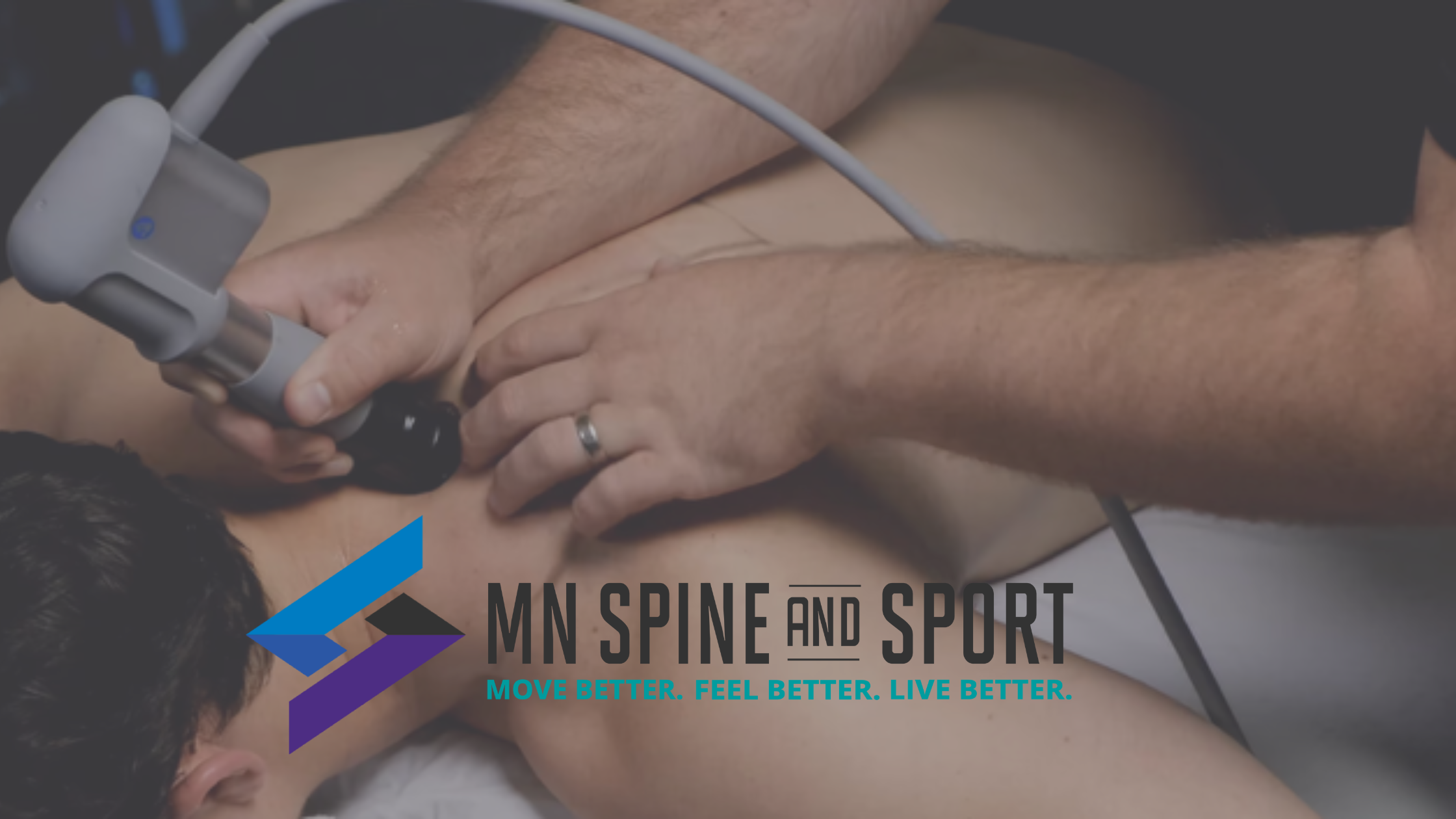
Shockwave therapy may be useful for stubborn tendon and soft tissue conditions (common examples include chronic tendinopathy).
Laser therapy is often used to support tissue healing and reduce pain sensitivity.
Acupuncture can be a strong option for pain modulation, muscle tone, and calming sensitized systems.
Best candidates are typically people who:
- have persistent pain despite rest/basic care
- have tendon/overuse issues
- need pain reduction to participate in rehab
- want conservative care options without escalation
We’ll determine fit after your exam—because the right tool depends on the right diagnosis.
How many visits do most patients need before they notice improvement?
It depends on your condition, how long you’ve had it, and what your body needs—but here’s a practical guideline:
- Acute issues (recent strain/sprain): often improvement within the first few visits
- Moderate duration (weeks to months): usually requires a structured rehab phase
- Chronic / recurring (months to years): improvement can still happen, but the plan often involves rebuilding capacity over time
We’ll give you a clearer estimate after your evaluation, once we understand the problem and the best strategy.
What should I expect at my first visit (evaluation, exam, and next steps)?
Your first visit is about clarity and confidence.
Typically, you can expect:
- History + goals discussion (what’s going on and what you want back to)
- Movement evaluation (how your body is functioning)
- Orthopedic + neurologic screening (as needed)
- Clear explanation of what we think is driving your symptoms
- A plan: what we recommend, why, and what progress should look like
- If appropriate, we may begin conservative care same day—based on findings and fit
No pressure. No mystery. No cookie-cutter.
Do you accept insurance, and can you verify my benefits before I come in?
Yes. We accept many insurance plans, and we can verify your benefits before your first visit so you can make an informed decision.
(Insurance details vary by plan, so verification is the best way to know exactly what applies.)
Can I come in after a car accident in Minnesota, and what’s the best timeline to get evaluated?
Yes—car accident injuries are one of our specialties.
The best timeline is as soon as possible, even if symptoms feel mild at first. It’s common for whiplash-related pain, headaches, stiffness, or nerve symptoms to show up hours to days later.
Early evaluation helps:
- document injuries properly
- identify red flags
- start conservative care before compensation patterns set in
- reduce the chance of “delayed recovery”
Do you treat work injuries and help with return-to-work plans?
Yes.
We commonly help with work-related injuries and will build a plan that supports:
- symptom control
- restoring function and capacity
- safe progression back to job demands
- appropriate documentation and communication when needed
Whether it’s lifting strain, repetitive stress, or a sudden injury—we treat it seriously and plan strategically.
What’s the difference between seeing MN Spine and Sport vs going straight to an orthopedic specialist?
Orthopedics can be essential in certain cases—especially when surgery is clearly needed. But many musculoskeletal problems respond best to conservative care first.
At MN Spine and Sport, we focus on:
- diagnosis + movement-based treatment
- rehab that restores strength and function
- conservative options designed to avoid unnecessary escalation
If we suspect you need imaging, injections, or a surgical opinion, we’ll tell you. But when conservative care is the right starting point, we’ll help you pursue it the right way.
How do you prevent symptoms from coming back after treatment?
This is a big one—and it’s where many plans fall short.
We prevent recurrence by addressing:
- the movement pattern that overloaded the area
- mobility restrictions that forced compensation
- strength/endurance deficits (especially in hips/core/scapular control)
- training or work habits that keep re-triggering it
- home plan adherence and progression
The goal is not “feel good today.” The goal is stay good next month.
Do you create home programs and gym modifications so I can keep training safely?
Yes—and we encourage it.
We’ll give you:
- targeted home exercises (not 12 random stretches)
- clear progressions and guardrails
- gym movement modifications (so you can keep training without poking the bear)
- return-to-running/lifting strategies when appropriate
We want you to keep doing what you love—just smarter.
Are you a good fit if I want to avoid injections or surgery when possible?
Yes.
We’re a strong fit for people who want:
- conservative, outcomes-driven care
- a clear diagnosis and a plan
- rehab that builds real resilience
- a clinic that doesn’t default to “rest and hope”
If we think escalation is necessary, we’ll be direct. But we’re built for people who want to exhaust smart conservative options first.
How do you know whether imaging (X-ray/MRI) is necessary?
We don’t order imaging “just because.” We base it on:
- your history and symptoms
- exam findings
- neurologic signs (weakness, progressive numbness, reflex changes)
- trauma mechanism
- red flags (rare, but important)
Many cases don’t require imaging early. If imaging would change the plan or improve safety and clarity, we’ll recommend it.
Do you treat jaw pain and TMJ symptoms with conservative care?
Yes.
Jaw pain and TMJ-related symptoms often involve:
- joint mechanics
- muscle tone and trigger points
- neck posture and upper cervical function
- stress/clenching habits
- movement limitations and coordination
We use conservative strategies to reduce symptoms and improve function—without defaulting to invasive approaches.
How do I book an appointment at MN Spine and Sport in Woodbury, MN?
The easiest way is to book directly through our website or call the clinic.
Move Better. Feel Better. Live Better.