

January Motivation Is Real… and So Are January Injuries
Every year, the pattern repeats: people commit to getting healthier, start training hard, and within a few weeks they’re dealing with back pain, knee pain, or shoulder pain. It’s frustrating—especially when you’re doing something positive for yourself.
Here’s the good news: most “New Year injuries” aren’t random. They’re usually predictable and fixable. And with the right plan, you don’t have to stop training—you just need to train smarter and recover better.
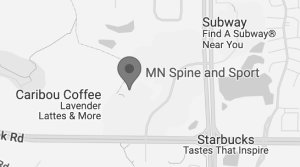
At MN Spine and Sport in Woodbury, MN, we specialize in helping active people get out of pain and back to what they love with an approach that blends hands-on care, modern rehab, and evidence-informed treatment.
Why Pain Flares Up When You Start Working Out
1) Your motivation changes faster than your tissues
Muscles respond quickly to training. But tendons, cartilage, discs, and connective tissues take longer to adapt. When you ramp up intensity too fast, your tissues can become overloaded before they’re ready.
Common outcomes:
- Tendon irritation (knee, Achilles, elbow, shoulder)
- Joint irritation (knees, hips, low back)
- Muscle strain (hamstrings, low back, rotator cuff)
2) Form breaks down under fatigue
Most people can lift with decent form when fresh. But add fatigue, speed, heavy loads, or HIIT pacing—and your body finds shortcuts:
- Knees drift inward
- Low back rounds
- Shoulders shrug and roll forward
- You lose ribcage and pelvis control
That’s often when irritation begins.
3) Old injuries and tightness don’t disappear… they compensate
A prior ankle sprain, old shoulder issue, or stiff hip can set off a chain reaction. When training volume rises, your body returns to old compensation patterns. That’s why pain often “shows up” again in January.
The 3 Most Common January Pain Problems (and What They Usually Mean)
Low Back Pain After Lifting or Starting the Gym
Most common drivers:
- Poor bracing strategy (core + breathing)
- Hip hinge issues (deadlifts, kettlebell swings, RDLs)
- Too much spinal flexion under load
- Weak hips/glutes forcing the back to do the work
What helps most: a targeted plan that improves hinge mechanics, spinal control, core function, hip strength, and load progression.
Knee Pain from Squats, Lunges, Running, or Stairs
Most common drivers:
- Patellofemoral pain (front-of-knee pain)
- Patellar tendon overload (“jumper’s knee”)
- IT band irritation
- Hip weakness and poor knee tracking
- Sudden spike in running/jumping volume
Key point: knee pain is often a load management + movement pattern issue—not a “your knees are bad” issue.
Shoulder Pain from Push-Ups, Bench Press, or Overhead Work
Most common drivers:
- Poor scapular control
- Rotator cuff overload
- Thoracic stiffness (mid-back not moving well)
- Forward shoulder posture and excessive pressing volume
What helps most: restoring thoracic mobility, improving scapular mechanics, balancing pushing/pulling strength, and correcting pressing technique.
What to Do Right Now (So You Don’t Make It Worse)
Step 1: Reduce the dose, not the movement
Many people either push harder (bad) or stop completely (also not ideal). A better option:
- Reduce weight
- Reduce sets
- Reduce range of motion temporarily
- Swap to non-irritating variations
- Add recovery days
Step 2: Don’t train through “form-changing” pain
If pain changes how you move, your body will learn compensations. That often creates longer-term problems.
Step 3: Get the diagnosis right
“Back pain” isn’t one diagnosis. “Knee pain” isn’t one diagnosis. You don’t need random stretches—you need a clear plan based on what’s actually irritated.
How MN Spine and Sport Helps You Recover (and Perform Better)
We don’t just aim to “calm symptoms.” We aim to:
- Identify what’s driving the pain (joint, tendon, nerve, muscle)
- Fix movement patterns that overload you
- Restore mobility and control
- Build strength and resilience
- Progress you back to training safely
Depending on your needs, your plan may include:
- Chiropractic care for joint mechanics
- Manual therapy / soft tissue work
- Rehab-based corrective exercise
- Dry needling or acupuncture (as appropriate)
- Modalities (laser, shockwave, decompression when indicated)
- A progressive “return to training” plan
How to Prevent January Injuries (Without Giving Up Your Goals)
1) Follow the 2-week ramp rule
For the first two weeks, keep intensity moderate and focus on form. If you start at “Week 10 intensity” on Day 1, your risk skyrockets.
2) Earn your intensity
Before HIIT and max lifts, earn:
- Mobility
- Stability
- Strength endurance
- Good form under control
3) Respect recovery
Training is stress. Growth happens when you recover.
- Sleep 7+ hours
- Eat enough protein
- Hydrate
- Build in low-intensity days
FAQs
Is it normal to be sore when you start working out?
Yes—muscle soreness is common. But sharp pain, nerve symptoms, or pain that worsens each workout isn’t normal.
Should I stop working out if something hurts?
Usually you should modify, not stop. But if pain radiates, causes weakness, or is worsening, get evaluated.
How fast can I recover?
Many people feel improvement quickly once the correct driver is identified and a plan is started.
Ready to Train Without Setbacks?
If January pain is derailing your momentum, don’t guess or push through blindly.
Book an evaluation at MN Spine and Sport in Woodbury, MN and let’s build a plan that helps you stay active—without recurring setbacks.
Move Better. Feel Better. Live Better.