

Lower back pain is incredibly common, but one of the biggest questions people have is when they should actually seek care. Many people wait too long, hoping the pain will go away on its own. Others try to manage it with rest, medication, or online advice. If you are searching for a chiropractor in Woodbury, MN or wondering when to seek lower back pain treatment, the answer is simpler than most people think.
You should not wait.
Lower back pain does not typically resolve the right way without proper treatment. While some mild cases may improve temporarily, the underlying cause often remains. This is why so many people experience recurring pain. Waiting allows the problem to become more complex, making it harder to treat and increasing the risk of chronic pain.
A good rule of thumb is this. If your pain has lasted more than a few days, is not improving, or is interfering with your daily activities, it is time to seek care. This includes difficulty sitting, standing, bending, or performing normal tasks. These are signs that your body is not resolving the issue on its own.
Another important indicator is recurring pain. If your lower back pain keeps coming back, it means the root cause has not been addressed. This is one of the most common reasons patients seek care at MN Spine and Sport. Treating symptoms without fixing the underlying issue leads to a cycle of pain that never fully resolves.
Pain that radiates into the leg, numbness, tingling, or weakness are also signs that you should seek care right away. These symptoms may indicate nerve involvement and require a more targeted approach. Ignoring these symptoms can lead to worsening conditions and longer recovery times.
Many people attempt to manage their pain on their own before seeking care. They search online, try different exercises, or rely on advice from social media. Unfortunately, doing your own research rarely leads to the right solution. Lower back pain is complex, and without a proper evaluation, most people end up treating the wrong problem. This delays recovery and often makes the condition worse.
Research supports early, active treatment for lower back pain. Clinical guidelines recommend conservative care, including chiropractic treatment and exercise, as a first-line approach (Qaseem et al., 2017). Early intervention has been shown to improve outcomes, reduce pain, and decrease the likelihood of long-term disability.
Chiropractic care focuses on restoring proper movement in the spine and improving overall function. When combined with rehabilitation and corrective exercise, it becomes a powerful approach for resolving lower back pain. This combination allows patients to not only get out of pain but also prevent future episodes.
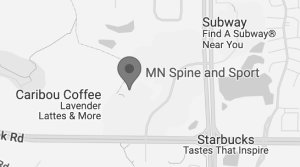
At MN Spine and Sport in Woodbury, MN, care begins with a comprehensive evaluation to determine the exact cause of your pain. From there, a personalized treatment plan is created to address your specific condition. This approach ensures that you are not just treating symptoms but fixing the problem at its source.
Waiting is one of the biggest mistakes you can make with lower back pain. The longer you wait, the more difficult the condition becomes to treat. Early care leads to faster recovery and better results. If you are searching for back pain relief near me or wondering if it is time to see a chiropractor, the answer is yes if your pain is not improving.
If you are ready to get out of pain and take the next step toward recovery, schedule your appointment at MN Spine and Sport in Woodbury, MN here: https://mnspineandsport.com/schedule-now/
Taking action now is the fastest way to get back to moving better, feeling better, and living better.
References
Qaseem, A., Wilt, T. J., McLean, R. M., & Forciea, M. A. (2017). Noninvasive treatments for low back pain. Annals of Internal Medicine, 166(7), 514–530.
Hartvigsen, J., Hancock, M. J., Kongsted, A., et al. (2018). What low back pain is and why we need to pay attention. The Lancet, 391(10137), 2356–2367.

GET STARTED
READY TO SCHEDULE NOW?
If you are a new patient, please fill out the New Patient Intake Form.